Australians have long had a taste for a good punt, and that appetite has shifted squarely onto screens over the past decade. Tucked into home offices, footy-watching lounges, and even bus commutes, digital gaming floors now handle the same sort of wagering that once meant a trip down to the local club. The convenience is obvious, but the real draw is the chance to play for actual cash rather than just bonus credits that vanish behind wagering hurdles.
The local market has matured quickly, and with that growth comes a sharper focus on safety, licensing, and transparent terms. Players want to know their deposits are handled properly, their withdrawals hit without a runaround, and the games on offer hold up to independent testing. That expectation has pushed operators to tighten their compliance and publish clearer payout structures, which is a fair shift for anyone used to the old-school club environment.
For anyone weighing up an online casino aud real money setup, the first question is rarely about flashy banners or free spins that sound too generous to be true. It is about whether the operator runs under a recognised licence, separates player funds from operational accounts, and offers a straight path to cashing out. Those basics matter more than a glossy homepage, particularly when you are playing from a laptop in Perth or a phone on the tram in Melbourne.
This roundup cuts through the marketing noise and looks at what actually counts when you want to gamble for genuine dollars online. We have gathered the practical details, checked the usual claims against what regulators and independent testers publish, and laid out a clear comparison so you can see where the operators stack up. If you are after a straight read before you deposit, you will find the key points below without the usual hype.
How Real Money Platforms Work Down Under
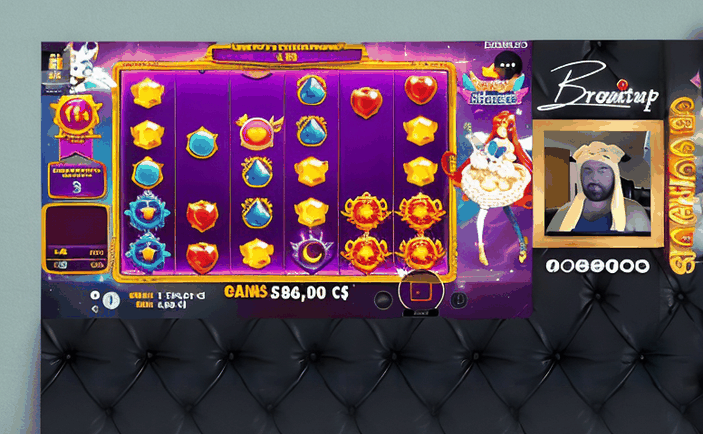
The mechanics behind a digital casino are fairly straightforward once you strip back the promotional gloss. Players sign up, verify their identity, fund an account, and then choose from a library of games that run on certified software. The operator keeps a record of every wager, and the payout rates are tied to the mathematical return-to-player figures built into each title. Nothing mystical happens behind the curtain; it is a regulated transaction layer sitting on top of a gaming product.
Verification is where most sensible operators separate themselves from the fly-by-night outfits. A proper platform will ask for standard identity documents, confirm the payment method belongs to the account holder, and run those checks before the first withdrawal is approved. That process can feel a bit tedious, but it is the same sort of compliance you would expect from any financial service handling real funds. It also keeps the account secure if you ever need to contact support about a disputed transaction.
Payment options in Australia tend to lean on familiar local methods, with debit cards, trusted e-wallets, and direct bank transfers covering the bulk of deposits and payouts. Some operators also support newer payment rails, though the core idea stays the same: the transaction should move cleanly in both directions, with clear timeframes and no hidden fees eating into the balance. Players who like to keep their banking separate from their gaming usually appreciate a platform that lists those details upfront rather than burying them in fine print.
Picking a Licensed Operator That Pays Out
A licence is the first filter worth applying, because it tells you whether the operator is prepared to answer to a regulator with actual teeth. The most reliable platforms display their licensing details on the footer of the site, list the jurisdiction they report to, and link through to the regulator’s public register. That transparency matters when you are comparing one operator against another, since a visible licence is a far better signal than a polished testimonial grid.
Beyond the licence itself, the terms around bonuses and withdrawals deserve a proper read. Wagering requirements, maximum cashout caps, and game restrictions can turn a generous-looking offer into a frustrating exercise if they are written in a way that is hard to follow. A credible operator will spell those conditions out in plain language, and the support team should be able to explain them without dodging the question. That is the sort of clarity that separates a serious business from a quick grab at deposit volume.
The biggest mistake new players make is chasing a headline bonus without checking whether the underlying terms suit the way they actually play. If you prefer low-volatility table games, a bonus tied to high-risk slots might not line up with your style at all. Reading the fine print before you deposit saves a lot of annoyance later, and it is a habit that pays off across every session.
Where Joe Fortune Sits in the Local Market
Joe Fortune has built a solid presence among Australian operators by leaning into a clean interface, a broad game selection, and a support setup that is easier to reach than many of its competitors. The site keeps the navigation fairly straightforward, which matters when you are trying to find a specific table or slot without wading through a cluttered menu. It is the kind of layout that suits players who want to get in, pick a game, and manage their balance without a heap of distractions.
The operator’s game library covers the usual mix of pokies, table titles, and live dealer options, with software from established providers that publish their own testing credentials. That matters because the underlying software is what determines the fairness and randomness of each round, and players have every right to expect that the titles on offer have been checked by an independent lab. A broad selection is nice, but the certification behind it is what gives the library its credibility.
In a direct comparison with other well-known Australian-facing operators, Joe Fortune sits in the upper tier for usability and payout clarity, though it is always worth checking the current welcome terms and the withdrawal timeframes before you commit. The table below gives a quick side-by-side look at how it stacks up against a couple of other names you will see mentioned in local discussions.
| Operator | Licence visibility | Withdrawal timeframe | Game selection | Support access |
| Joe Fortune | Displayed in footer | Standard processing window | Broad pokies and table mix | Live chat and email |
| Competitor A | Listed with regulator link | Varies by method | Strong on live tables | Chat during set hours |
| Competitor B | Footer licence details | Faster on e-wallets | Heavy on slots | Email primary |
Game Types Worth a Look Before You Deposit
If you are after fast-paced action, video keno machines let players play rapid solo rounds, which makes them a handy pick for anyone who wants a quick session without waiting on a live dealer or another table participant. The rounds move quickly, the rules are easy to pick up, and the pace suits players who like to keep their play tight and deliberate rather than stretched out over hours.
Table games still hold their own for players who want to work with clear odds and familiar rules. Blackjack, roulette, and baccarat variants are all available on most reputable platforms, and the digital versions usually run on software that mirrors the standard rules you would see in a land-based venue. The main difference is that the online version removes the wait time between hands, which can make the session feel faster and more controlled.
Live dealer titles sit somewhere between the two, giving you a streamed table with a real croupier while keeping the convenience of playing from home. The production quality varies from one operator to the next, so it is worth checking whether the stream holds up on your connection and whether the table limits suit your bankroll. A polished live table is a good middle ground for players who miss the feel of a venue but do not want to leave the house.
Understanding Slow-Playing and Other Common Tactics
Slow-playing disguises a strong hand as a weak one, and it is a tactic you will see more often in poker-style environments than in pure chance games. The idea is to keep other players in the pot by betting modestly when you actually hold a strong position, hoping they will commit more chips before the final round. It can work when the table is loose, but it can also backfire if someone else catches on and decides to push back hard.
That kind of play is worth understanding even if you mostly stick to pokies or roulette, because it highlights how much of casino gaming comes down to reading the room and managing your own behaviour. In chance-based games, the cards and reels do the deciding, but in games where other players are involved, your betting patterns can shape the outcome just as much as the cards themselves. Knowing the difference helps you pick the right game for the sort of session you want.
The broader lesson is that solid play comes down to discipline more than any clever trick. Setting a limit, keeping track of your session, and walking away when the numbers go the wrong way are all more reliable than trying to outthink a random outcome. That approach will not make you a winner every time, but it does keep the experience manageable and stops a bad run from turning into a bigger problem.
Banking, Withdrawals, and Local Payment Habits
Australian players tend to prefer payment methods they already use in day-to-day life, which is why debit cards and familiar e-wallets usually top the list on local-facing platforms. The key thing to check is whether the operator supports the same method for both deposits and withdrawals, because having to switch methods halfway through can slow things down and create unnecessary friction. A clean, consistent banking setup makes the whole experience less of a headache.
Withdrawal times vary by method and by operator, so it is worth looking at the stated processing window before you deposit rather than assuming every payout will land instantly. Some methods are quicker than others, and a reputable platform will be upfront about whether a request needs manual review or can be processed automatically. That sort of clarity is a good sign, especially if you are playing with money you meant to keep for something else.
Security around transactions matters just as much as speed, and a proper platform will use standard encryption and account checks to keep the process tidy. If you ever need to raise a concern about a payment, you should be able to reach a support team that can trace the request without making you jump through a dozen hoops. That is the sort of service that turns a transactional relationship into one you can actually trust.
Keeping Play Safe and in Check
Responsible play tools are now a standard feature on the better platforms, and they are worth using even if you feel confident about your self-control. Deposit limits, session reminders, and cooling-off periods are all simple features that can stop a good night from turning into a regretful morning. The point is not to make the game less enjoyable; it is to make sure the enjoyment does not spill over into something you would rather avoid.
If you ever feel like the balance is getting away from you, the best move is to step back and use the tools that are already built into the account. A short break, a lower limit, or a proper shutdown for the day can be enough to reset things before a small slip becomes a bigger one. Those options are there for a reason, and they are far easier to use than trying to fix things after the fact.
Support networks and independent advice are also worth keeping in mind, particularly if gambling starts to feel like more than a bit of fun. A quick check of a local forum or a trusted community thread can point you toward people who have been in the same spot and know where to go for help. You can even find useful threads on a site like local talk on Reddit Australia where everyday players swap practical tips and flag the operators worth avoiding.
Practical Checks Before You Sign Up
Before you put any money in, it pays to run through a short checklist so you know exactly what you are walking into. The right operator should make those details easy to find, and if anything feels buried or vague, that is usually a sign to keep looking. A few minutes of checking now can save a lot of frustration later.
- Confirm the licence is visible and matches the regulator’s public register
- Read the withdrawal terms and note the processing window for your preferred method
- Check that the games you want are supplied by providers with independent testing credentials
- Make sure the bonus terms suit the way you actually play, not just the headline offer
- Verify that support is reachable through a channel that fits your schedule
- Test the account setup with a small deposit before committing a larger amount
- Keep your session limits in place from the start rather than setting them later
If you want to see how a particular slot holds up in a real-money setting, you can claim at the greatest catch slot and run a proper look at the gameplay before you decide whether it suits your style. That sort of hands-on check is often more useful than reading a stack of promotional copy, because it shows you the pace, the volatility, and the feel of the title without any of the marketing gloss getting in the way.
Adam Murray, Commercial Director, Red Centre Analytics, says the local market has shifted toward operators that publish their payout terms and processing times without making players dig for them. He also notes that players are increasingly treating verification and banking clarity as baseline expectations rather than nice-to-have features, which has pushed the better platforms to tighten up their onboarding and support processes.