When I built retention loops for high-traffic retail brands, the pattern was always the same: players stayed when the rules felt transparent and the payout moments landed where they expected them. That same discipline shapes how 21+3 side bet blackjack guide approaches the table, especially for punters who want a quick thrill without losing sight of the base game. On the Gold Coast, I’ve watched mates drop twenty quid at a pub table, then bounce back for a coffee because the dealer kept the pace honest. The side bet here isn’t trying to replace your main hand – it sits beside it, pays on three-card combos, and asks you to read the shoe a little differently. If you’re weighing whether the extra variance is worth your bankroll, this breakdown keeps the maths in view and the guesswork out of the way.
How the side bet actually plays out
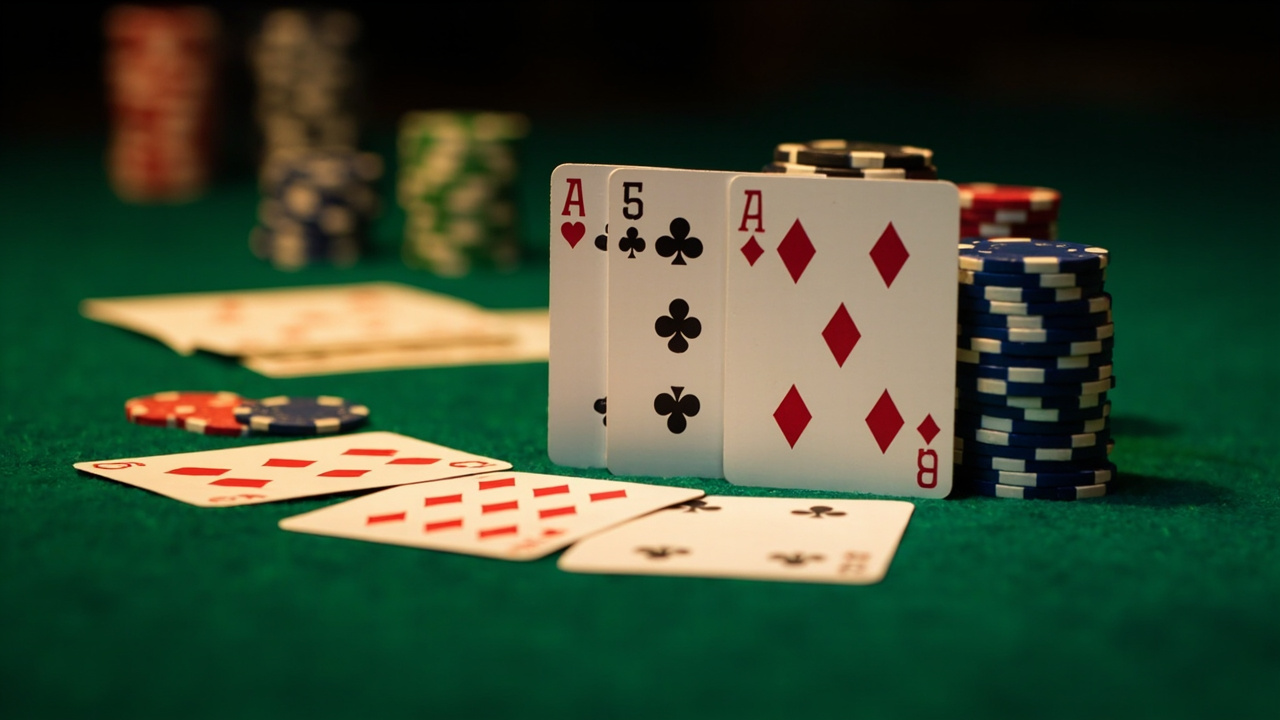
The 21+3 wager folds three cards together – your two starting cards plus the dealer’s upcard – and pays out when that trio forms a suited pair, a straight, a flush, or a straight flush. It’s a pure combinatorics play, which means the house edge shifts depending on how many decks are in the shoe and which payout table the operator chooses. In practice, that means a six-deck shoe with a 25-to-1 straight flush payout will feel very different from a single-deck setup where the same combo pays less often. I’ve seen marketing teams try to dress up side bets as “free extra action”, but the honest read is simpler: you’re paying a small premium for a chance to catch a rare hand, and the base blackjack decision still does the heavy lifting on every round.
The real question isn’t whether the bet exists – it’s whether the operator’s payout ladder matches the odds you’re actually getting. A well-tuned table keeps the top-tier pays visible, all the specs lists the exact multipliers next to each combo, and doesn’t bury the edge in fine print. When I audit conversion flows, I look for the same thing: clear numbers, no hidden friction, and a layout that tells you what you’re buying before you tap it. That’s the standard worth holding to, because a side bet that looks generous on a banner can quietly bite your session if the pay table leans too far toward the house.
What to check before you put chips down
Payout ladder and deck count
Start with the pay table printed on the screen or felt. A typical 21+3 ladder lists suited pairs around 25-to-1, straights near 10-to-1, flushes in the 11-to-1 range, and straight flushes climbing toward 100-to-1, though the exact figures vary by operator and jurisdiction. The deck count matters just as much: fewer decks tighten the odds on suited combos, which can nudge the house edge up or down depending on how the payouts are set. If you’re comparing tables, write down the multipliers and the shoe size side by side – the difference between a 10-to-1 straight and an 11-to-1 straight looks small on paper, but it compounds over a long session. I’ve watched players chase a flush payout that only pays 9-to-1 because they didn’t spot the adjusted ladder until after the second hand. A quick glance at the numbers before you sit down saves a lot of quiet regret later.
Session pacing and bankroll fit
Side bets naturally speed up the rhythm of a round because they ask for a decision on top of your main play. That extra click or tap can feel harmless, but it also turns a steady blackjack session into a more volatile one if you’re not sizing the wager to your stack. A practical rule I’ve used when testing retention on fast-moving products is to cap any add-on bet at a fraction of your base stake – enough to keep the excitement alive, not enough to turn a bad shoe into a quick exit. On the Gold Coast, I’ve seen a weekend crowd treat a side wager like a coffee run: a small, occasional splash rather than a standing order. If the operator lets you toggle the side bet on and off without forcing a reload or a menu dive, that flexibility matters more than a flashy animation. Clear controls, visible bet sizes, and a pace that doesn’t rush your decision are the quiet signals that the table respects your session as much as your entertainment.
Matching the bet to how you actually play
Blackjack players usually fall into two camps: those who want the base game to run clean and predictable, and those who enjoy a little extra variance for a chance at a bigger payout. The 21+3 side bet sits squarely in the second camp, which means it’s not a substitute for solid basic strategy – it’s an add-on that rewards patience and a clear head about the odds. If you’re the sort of player who likes to track your hands, keep your stake steady, and walk away when the shoe turns cold, the side bet can fit neatly into that rhythm as a small, occasional twist rather than a core part of your plan. If you’re chasing a big hit on every round, the maths will catch up with you faster than the dealer’s upcard ever will.
The interface around the bet matters more than most players expect. A table that shows the pay ladder in plain view, lets you adjust the side wager without burying it in a submenu, and keeps the base game controls separate is easier to manage over a long session. When I’ve reviewed conversion paths for gaming products, the ones that held attention were the ones that made the decision points obvious and the extra options optional. That same logic applies here: you want the side bet to feel like a deliberate choice, not a default that sneaks into your stake. If the operator localises the language, keeps the currency clear, and doesn’t hide the payout details behind a tap, you’re in a better position to judge whether the extra variance is worth your time.
Where the side bet fits in a balanced session
A sensible approach treats 21+3 as a small, controlled part of the table rather than the main event. Keep your base blackjack stake where you’re comfortable, size the side wager to a fraction that won’t upset your session plan, and watch the pay table before you commit. If the operator offers a clear view of the multipliers, a reasonable deck count, and controls that let you toggle the bet without friction, the side wager can add a bit of variety without rewriting your whole strategy. If the pay ladder leans heavy on the house or the interface makes the numbers hard to read, it’s fine to leave it off and stick to the main hand. The goal is to pick the moments where the extra combo chance feels like a genuine option, not a pressure to keep clicking.Blackjack mobiel echt geld: playing online
For players who want to test the feel of a side bet in a familiar setting, chickenroad2au.org sets out the table layout and pay details in a way that keeps the base game and the add-on separate, which makes it easier to see how the two interact before you commit any stake. If you’re comparing how a side bet behaves on a phone versus a desktop, the read on Blackjack mobiel echt geld: playing online with confidence covers the practical side of keeping your session steady when the screen changes. Neither approach removes the variance, but both help you judge the bet on its own terms instead of chasing a payout that the maths doesn’t support.chickenroad2au.org
The 21+3 side bet rewards players who understand that it’s an add-on, not a shortcut to a better base game. When the pay table is clear, the deck count is visible, and the controls let you size the wager without friction, the bet can sit comfortably alongside a steady blackjack session. When those details are fuzzy or the payout ladder leans too far toward the house, it’s better to leave it off and keep your focus on the main hand.
Skriv et svar